Establish a baseline
Many readers start by noting current activity levels and available time before adding structure.
An independent editorial guide to training, recovery, movement and men's wellbeing. Clear context for adults building a balanced routine in the UK.
Explore the latest reading
 Fitness
How consistency, load selection and time shape a sustainable practice.
 Recovery
A measured look at sleep, food, rest days and training rhythm.
 Training
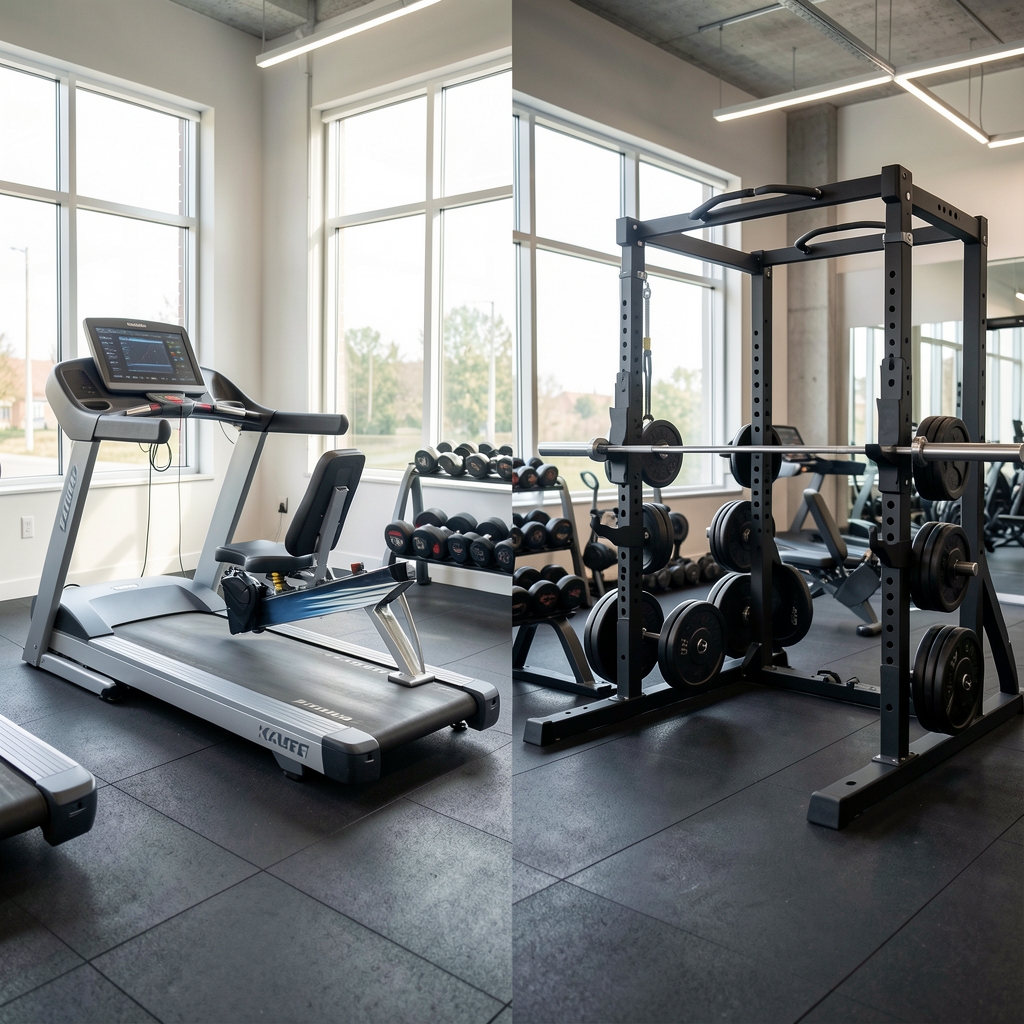
Understanding two complementary forms of movement without false choices.
MovementPractical editorial context for range, control and everyday comfort.
BalanceWhy training load deserves the same attention as motivation.
 Conditioning
Intervals, effort and the role of recovery in a weekly plan.

Kaltvel exists to provide evidence-informed, accessible health information for men in the UK. Our independent editorial team with a background in health communication translates broad research themes into readable context.
We value careful language, realistic routines and a clear line between editorial information and personal healthcare.
Learn more about our approach →The gradual, planned increase of demand placed on the body across weeks or months of training.
A short period of reduced training volume or intensity, often used to support longer-term consistency.
The usable range of motion around a joint, distinct from flexibility alone.
The period between sessions during which the body adapts to prior training load.
| Aspect | Structured strength training | Cardio-based conditioning |
|---|---|---|
| Primary focus | Load, movement quality and muscular capacity | Sustained effort and cardiovascular output |
| Typical session length | Often 40–60 minutes | Often 20–45 minutes |
| Common equipment | Barbells, dumbbells, machines | Bikes, rowers, open road or track |
| Recovery demand | Varies with load and volume | Varies with intensity and duration |
Many readers start by noting current activity levels and available time before adding structure.
Structured strength or conditioning sessions are commonly introduced gradually, alongside existing habits.
Rest days and lighter weeks are often planned in from the outset rather than added as an afterthought.
Routines are typically reviewed every few weeks, with adjustments made based on how training is progressing.
Consistency, not intensity alone, tends to shape long-term outcomes in strength work.— From “Strength Training After 35”
Recovery is a planned part of training, not a gap left over once the session ends.— From “Muscle Recovery — The Science Every Active Man Should Know”
Cardio and weights answer different questions; neither replaces the other.— From “Cardio vs Weights”
Mobility work tends to pay off quietly, in everyday movement rather than in the mirror.— From “Flexibility and Mobility After 40”

Oversees tone, structure and the overall reading experience across the journal.

Checks that broad research themes are represented fairly and in plain language.

Reviews language against our editorial standards before anything is published.
Receive a concise digest of new articles and reading notes from the Kaltvel health blog.
Six long-form guides are available now, with more editorial context added throughout the year.
Read a recent guideThis article is for informational purposes only and does not constitute medical advice. Always consult your GP or a qualified healthcare professional before making changes to your diet, supplements, or lifestyle. Kaltvel accepts no responsibility for actions taken without professional medical guidance.