
Load is more than exercise
Load includes the session itself and the other work a person carries. Long commutes, family duties, reduced sleep and emotional pressure can alter how a familiar programme feels. Counting only sets or kilometres misses important context.
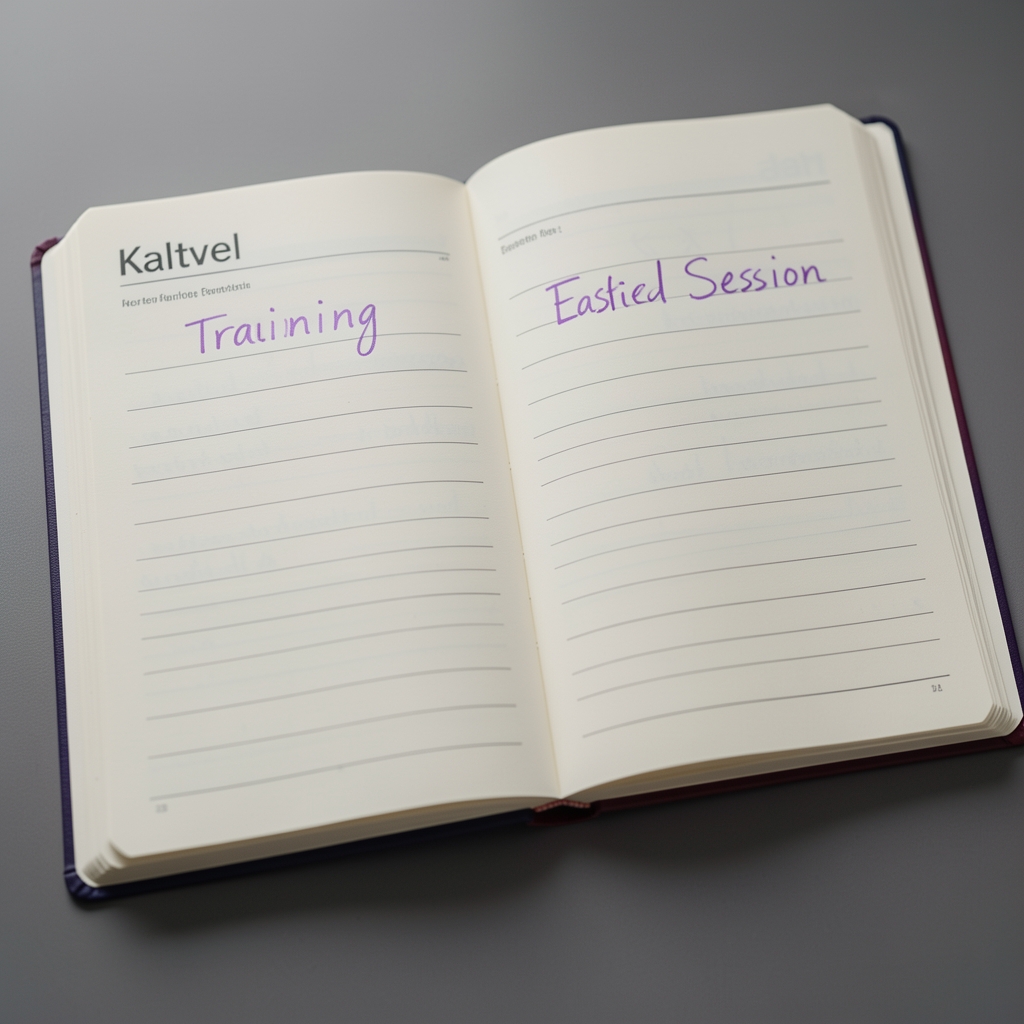
A weekly note can record sessions, sleep opportunity, mood and perceived effort. The point is not surveillance; it is to notice when several demands rise together.
Patterns worth noticing
Unusual fatigue, a sustained drop in enthusiasm, poorer concentration or repeated difficulty completing ordinary sessions may justify a pause and a closer look. These observations are not a self-assessment tool and have many possible explanations. They are prompts to take the situation seriously rather than push through automatically.
Creating recovery space
Reduce the number of demanding sessions, keep gentle movement if it feels comfortable and protect time for sleep and meals. A short period of maintenance can preserve the habit while lowering pressure. Returning gradually is often more practical than trying to compensate for missed work.
Motivation and identity
Many men connect training with discipline, which can make rest feel like failure. A broader definition of discipline includes adjusting the plan when circumstances change. Fitness is a practice within a life, not a judgement on character.
When professional input matters
Persistent or concerning changes should be discussed with a GP or another qualified healthcare professional. Editorial pages can offer language for a conversation, but they cannot assess a person or determine a cause.
Key takeaways
- Training load includes work, sleep and ordinary life demands.
- Several small changes may matter more than one hard session.
- Maintenance and easier weeks can preserve a long-term routine.
- Persistent concerns deserve personal professional attention.