
Two different training tools
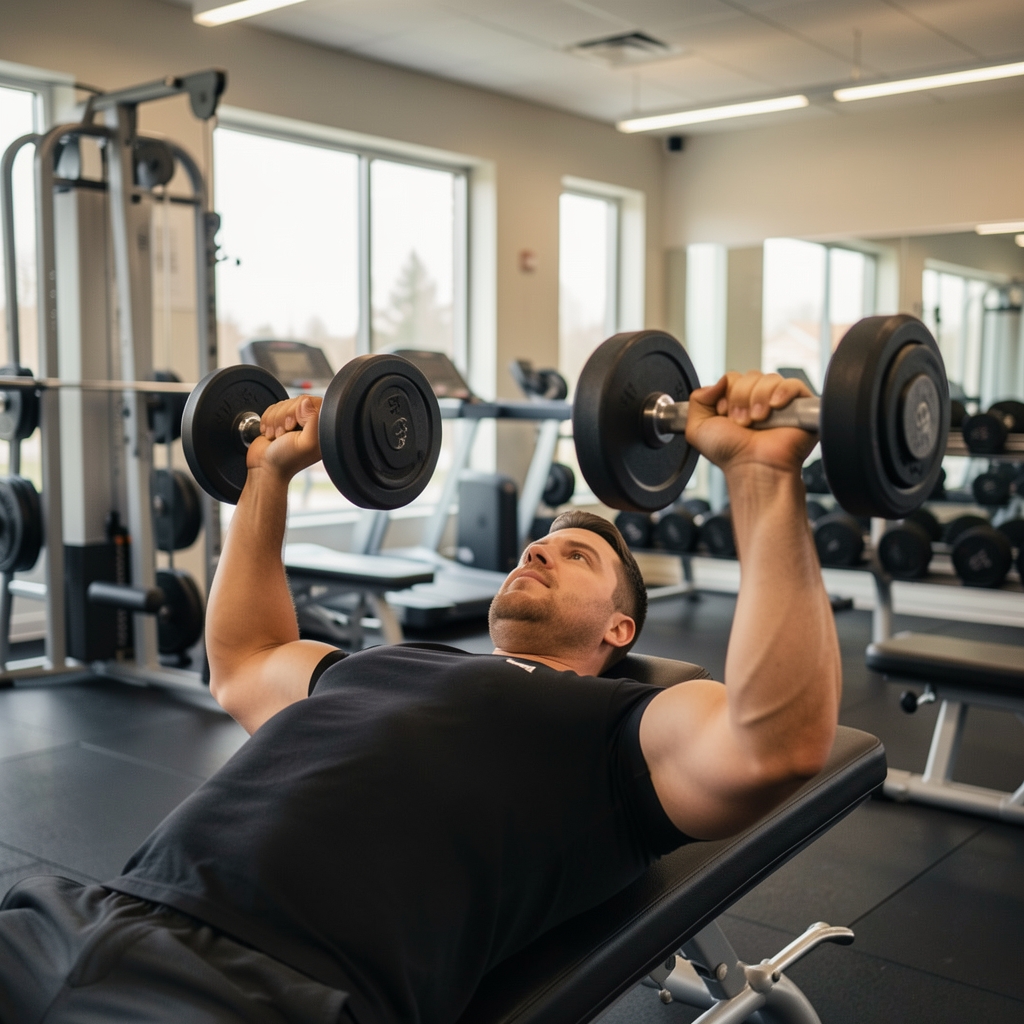
Cardio can include walking, running, cycling, rowing or a sport. Its intensity and duration can vary widely. Resistance training can use machines, free weights, bands or bodyweight. The useful distinction is the quality being practised, not the equipment in a room.
Studies indicate that a combination can support a broader routine because it distributes attention across stamina, strength and movement skill.
Choosing a priority
Start with the outcome that matters most to the reader. Someone preparing for a long charity ride needs more cycling practice; someone interested in lifting confidence needs repeated strength sessions. A general routine can alternate the emphasis across the week. Enjoyment also matters because a plan that is repeated beats an ideal plan that is abandoned.
Scheduling both
Two strength sessions and two moderate cardio sessions may fit one person, while another may prefer three shorter mixed sessions. Hard efforts placed back-to-back can make the week feel crowded. Walking between sessions is a low-complexity way to add movement without turning every day into a performance.
Measuring useful progress
Track attendance, duration, repetitions, perceived effort and confidence with a movement. Measurements should inform decisions rather than become a source of pressure. A month of steady practice may be more informative than a single impressive session.
Questions worth asking
Does the routine fit the calendar? Is there enough variation to keep it engaging? Is the next session realistically recoverable? A qualified healthcare professional can discuss personal concerns beyond the scope of this article.
Key takeaways
- Cardio and weights practise different qualities and can complement one another.
- The priority should reflect the activity or goal the reader values.
- Enjoyment, access and scheduling influence consistency.
- Progress can be reviewed through habits and performance, not one metric.