
What recovery includes
Recovery is wider than the feeling in a particular muscle. The nervous system, connective tissues, energy availability, mood and attention all contribute to how a person experiences training. Studies indicate that the same session can feel different after a short night or a demanding week. Looking at the pattern rather than one isolated workout produces better editorial context.
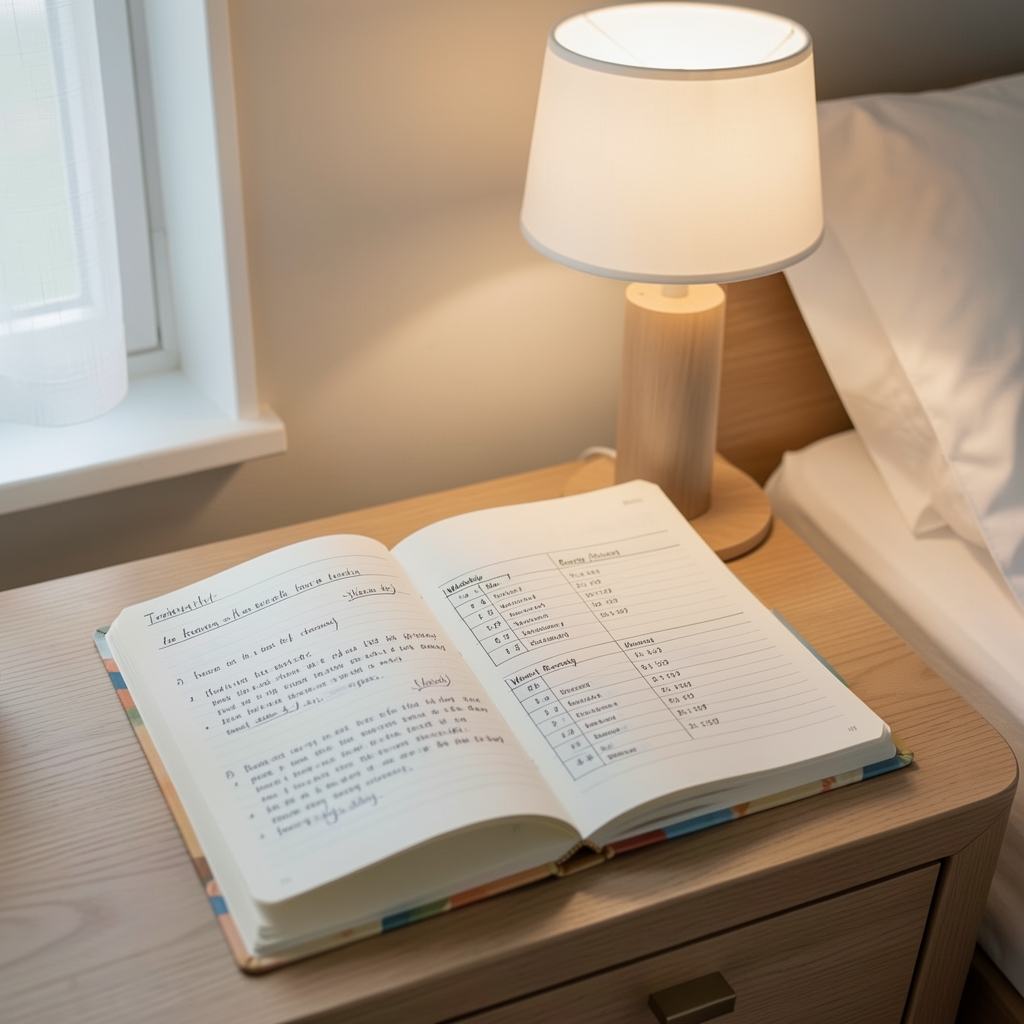
A simple diary can include sleep duration, appetite, motivation, soreness and session effort. These are not laboratory measurements, but they help an individual notice relationships in their own routine.
Sleep and the training week
Sleep opportunity varies across households and jobs. A consistent wind-down, a dark room and a regular waking time are ordinary foundations, while shift work or caring responsibilities may require flexibility. The point is not perfection. It is to recognise that an ambitious programme needs to fit the actual week a person has.
When sleep is shortened, a lighter session or an extra rest period may be a reasonable adjustment. That is not a moral judgement; it is a way of matching the plan to current resources.
Food, fluids and routine
Meals that include carbohydrate, protein, fruit or vegetables and suitable fluids can make training easier to organise. Appetite and preferences differ, so a single menu is not appropriate for every reader. A registered professional can offer personal nutritional guidance where needed.
Timing is often less important than consistency across the day. Preparing a few dependable options can reduce the number of decisions made after a tiring session.
Managing workload
Workload includes volume, intensity, frequency and the demands outside the gym. Increasing several at once makes it difficult to know what changed. A gradual approach, with occasional easier weeks, gives the body and the schedule room to adapt.
Muscle soreness is not a reliable scorecard for a useful session. Skill, control and repeatable practice can be valuable even when the next morning feels ordinary.
When to pause and seek advice
Persistent, worsening or unusual concerns deserve personal attention from a GP or qualified healthcare professional. An editorial article cannot distinguish between ordinary training response and an individual issue. Pausing to seek appropriate advice is a sensible part of self-awareness.
Key takeaways
- Recovery includes sleep, food, workload and the demands of ordinary life.
- A brief diary can reveal patterns without claiming to measure everything.
- Progressive planning should include easier periods and flexible alternatives.
- Personal concerns belong in a conversation with a qualified professional.